Riso Ink Explained (2026): Colors, Types & Differences
What Is Riso Ink — And Why Does It Print So Differently?
New to risograph printing? This guide covers what riso ink actually is, all available colors, drum types, and a direct comparison with inkjet, toner, and screen printing ink — so you can make the right decision before you buy.

What is riso ink?
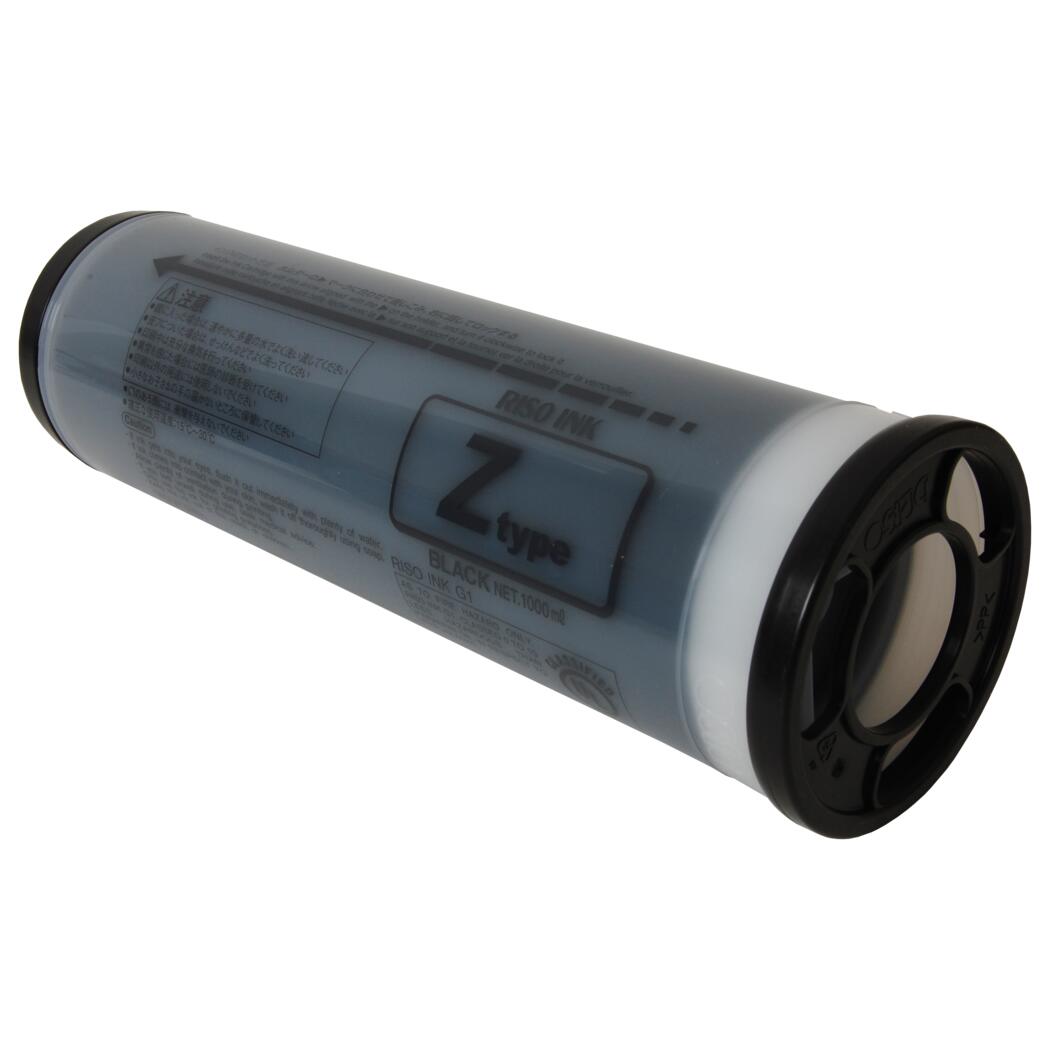
Riso ink is a soy or rice oil-based ink used exclusively in risograph (stencil duplication) printers. Unlike conventional printer inks, it is semi-transparent, fast-drying, and applied at room temperature — no heat fusing required.
The brand RISO originates from Japan (founded 1946). Each ink colour occupies its own drum unit, which is what gives risograph prints their signature layered, slightly misregistered aesthetic.
Not sure which ink drum fits your machine? Check out our compatible ink cartridge supplier guide before ordering — it walks through what to verify by model number.
How does riso ink work?
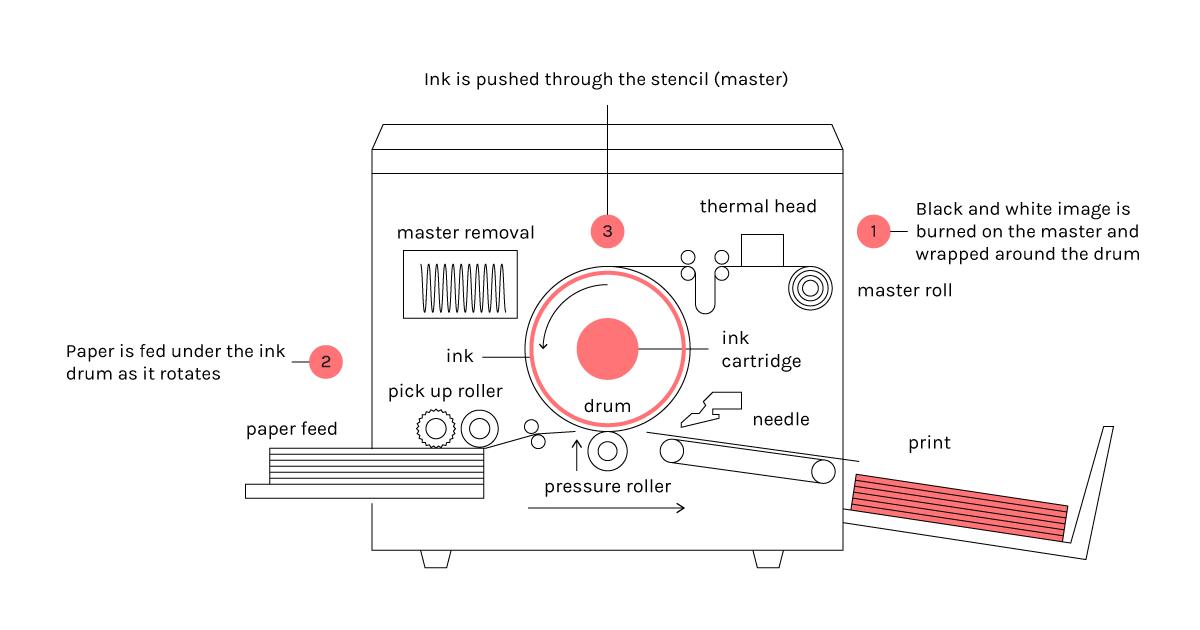
A risograph machine burns a stencil (master) from your digital file, then presses ink through that stencil onto paper. No heat is used — the ink absorbs into the paper fibre rather than fusing on top of it.
All riso ink colors
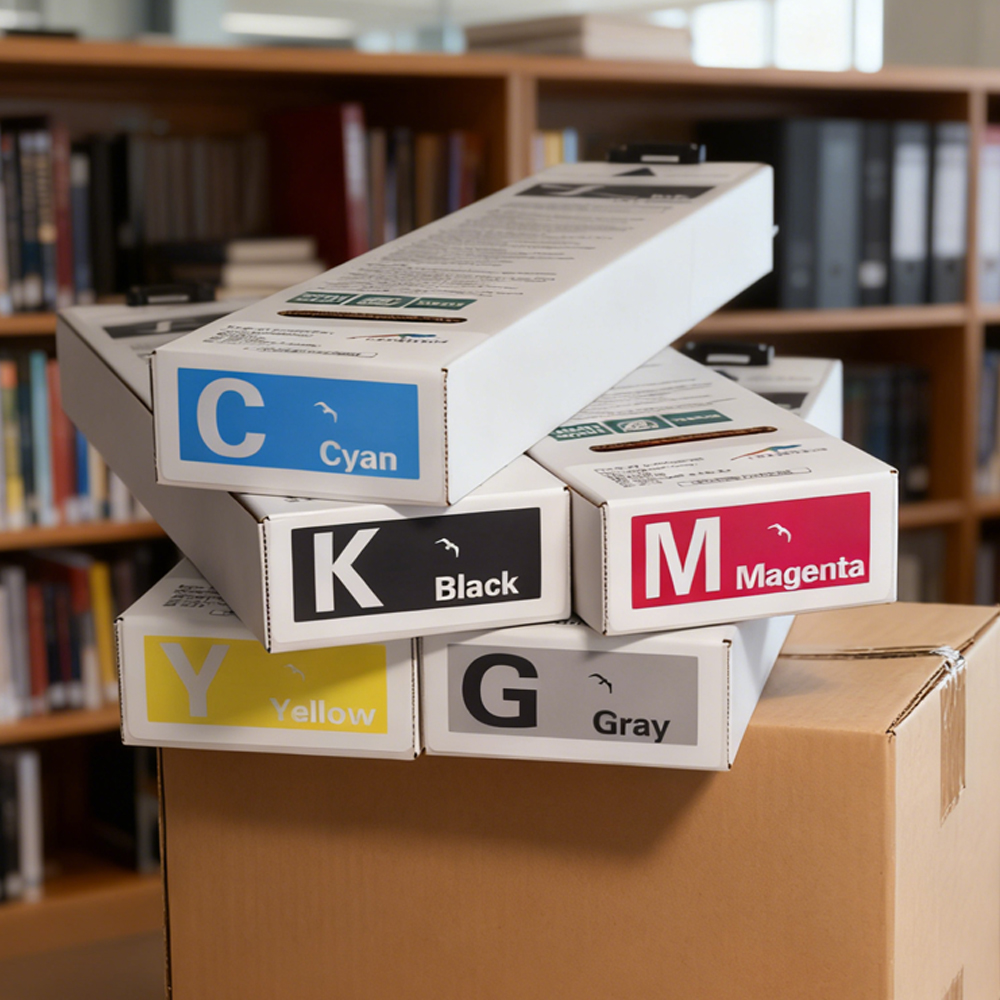
Riso offers over 20 standard ink colors. Because each colour is semi-transparent, layering two colours creates a third mixed tone — the defining creative technique in risograph printing.
Fluorescent inks (pink, orange, yellow) are especially popular for zine and poster work — they appear vivid on uncoated paper and cannot be reproduced by standard CMYK printing.
For a practical guide on combining and layering these colors effectively, see our expert tips on choosing risograph colors — covering palette building, layering order, and file setup for each ink type.
Types of riso ink drums
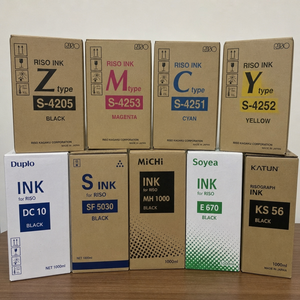
Each RISO machine series uses its own drum format. Using the wrong drum can damage your printer. Here are the main types:
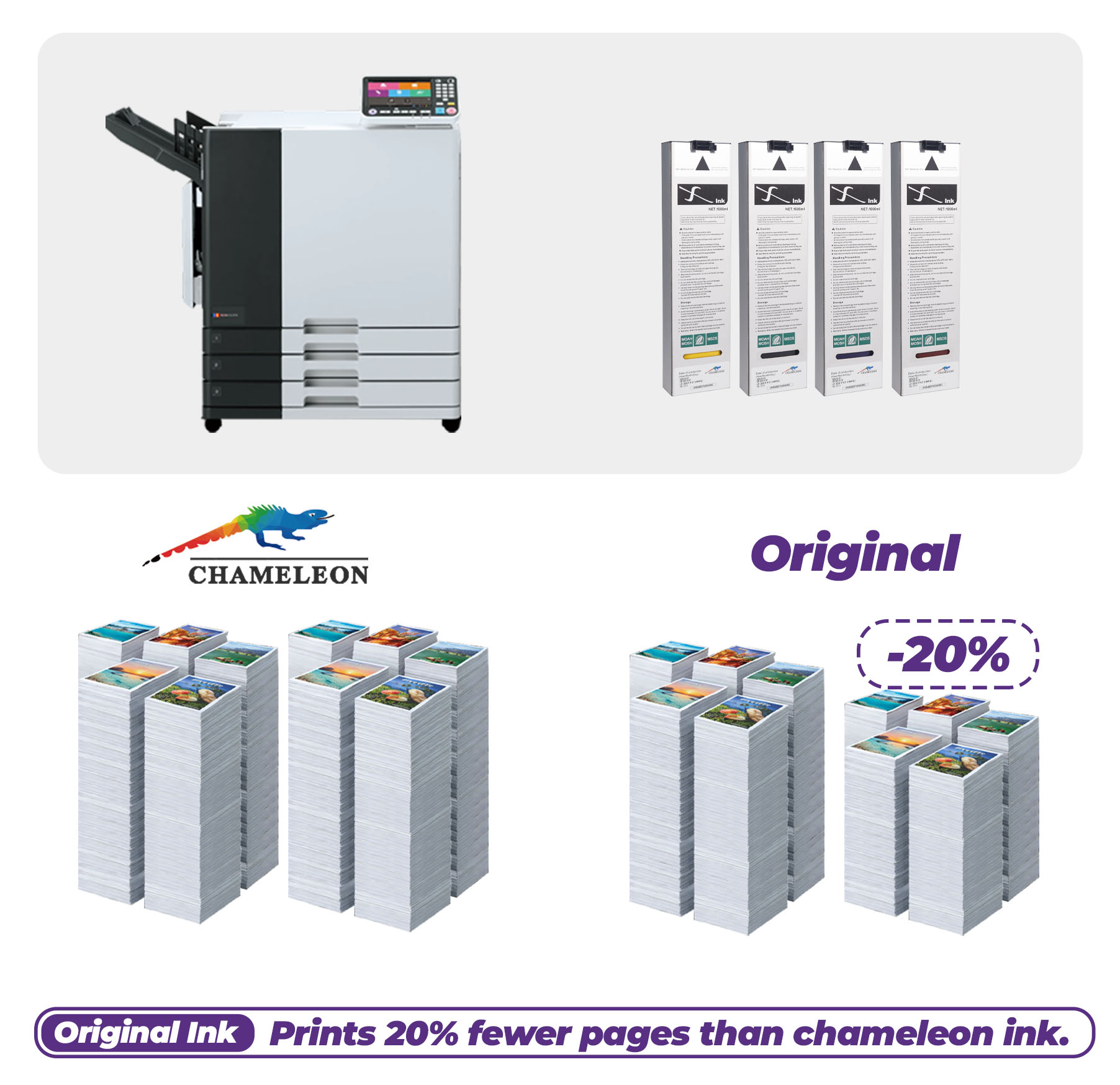
Note: ComColor machines use a different ink system entirely — pigment-based inkjet cartridges rather than stencil drums. See compatible Riso ComColor ink options here.
Riso ink vs regular ink — key differences
This is the most common question before a first risograph project. Here is a direct side-by-side breakdown:
| Property | Riso ink | Inkjet ink | Laser toner |
|---|---|---|---|
| Base material | Soy / rice oil | Water-based dye | Plastic polymer |
| Opacity | Semi-transparent | Opaque | Opaque |
| Layering / overprint | Excellent | Poor | Limited |
| Eco-friendliness | High — plant-based | Medium | Low — heat + plastic |
| Print speed | Very fast | Slow | Fast |
| Color precision | Limited palette | Full color | Full color |
| Cost per page (volume) | Very low | High | Medium |
| Best for | Zines, posters, bulk | Photos, office docs | Office, text docs |
Riso ink vs screen printing ink
Screen printing ink is opaque and sits on top of paper — ideal for precise, saturated colour on dark or coloured stock. Riso ink is translucent and works best on white or light paper where layering creates depth.
Screen printing requires physical screens per colour and more setup time. Risograph is faster to set up for short-to-medium runs, making it more practical for zines, newsletters, and art print projects.
| Factor | Riso ink | Screen printing ink |
|---|---|---|
| Setup time | Fast (digital) | Slow (manual screens) |
| Opacity | Semi-transparent | Opaque |
| Min. run size | 1 copy | 50–100+ copies |
| Paper variety | Light paper only | Any stock |
| Cost for short runs | Low | High |
Riso ink opacity & transparency explained
Riso ink's semi-transparency is not a flaw — it is a feature. When two colors are printed on top of each other, they mix optically to create a third hue. This is how risograph artists produce a full range of tones from just two or three ink colours.
Example: Blue + Yellow risograph ink printed on the same area produces green. Red + Yellow produces orange. This is why colour separation and layering order matters when designing for riso.
Dense solid areas will appear lighter than you expect on screen. Halftone dots are used to simulate shading, making riso design fundamentally different from standard digital printing workflows.
FAQ
Ready to source compatible riso ink?
Get samples, check pricing, and speak with our team before you commit to an order.
Are Compatible Ink Cartridges Worth It? RISO, HP, Canon, Epson & Brother Compared (2026)
RISO Compatible Ink Cartridge Suppliers (2026): What to Check Before You Order
Related Article