Top Benefits of Riso Ink Cartridges for Quality Printing
Benefits of Using Riso Ink Cartridges
Riso ink cartridges are a core part of getting reliable, vibrant, and cost-conscious results from Riso printing. The right cartridge supports smooth operation, consistent color, cleaner handling, and fewer interruptions, especially when your printer is used for classrooms, offices, churches, studios, newsletters, flyers, forms, or creative print work. This guide explains how Riso ink works, why cartridge choice matters, and what to consider when buying ink for Riso equipment.
Why do Riso ink cartridges matter?
Riso ink cartridges matter because they affect print quality, machine performance, workflow efficiency, and the overall value you get from your Riso printer. Riso printing is designed for fast, repeatable output, but that efficiency depends on using ink cartridges that feed properly, match the machine’s requirements, and produce the color density your job needs.
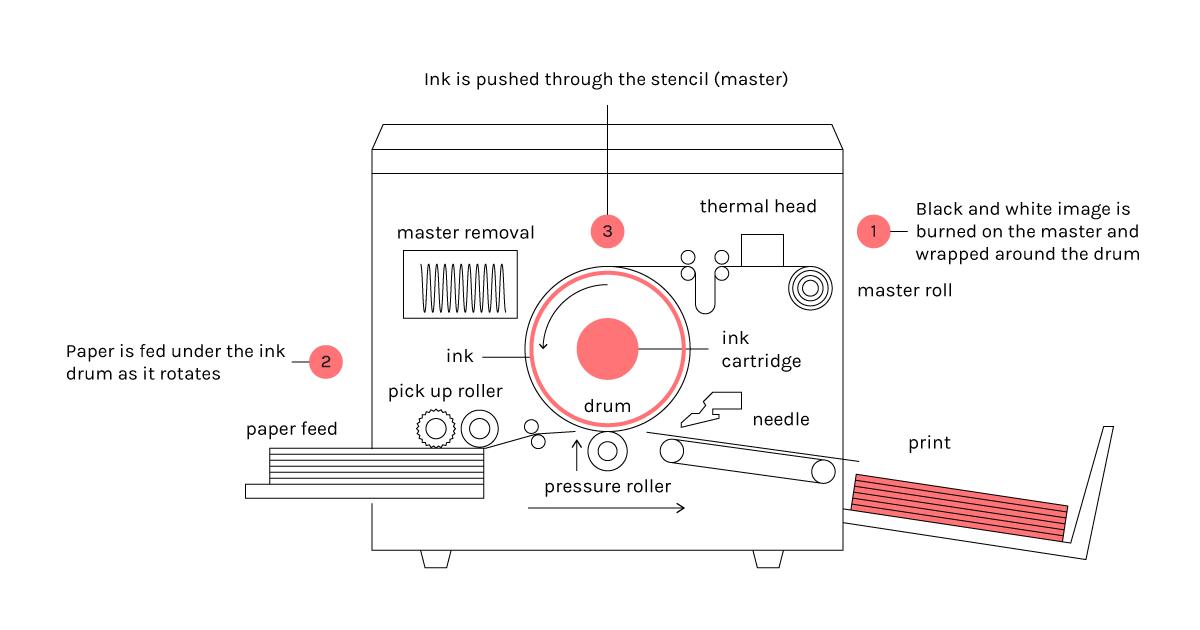
Unlike a basic office inkjet cartridge, Riso ink is part of a printing system built around high-volume duplication. The printer creates a master, pushes ink through that master, and reproduces the image quickly across many sheets. If the cartridge is poorly matched, low quality, expired, damaged, or incorrectly stored, the whole process can suffer. You may notice weak color, inconsistent coverage, smudging, feed issues, or avoidable downtime.
Using suitable Riso printer ink cartridges helps keep the process predictable. That predictability is valuable whether you are printing a few hundred event programs or producing regular internal documents on a tight schedule.

The role of Riso ink in the printing process
Riso printing is known for speed, distinctive color, and economical duplication. It is often used where the same design needs to be printed many times, such as handouts, notices, envelopes, mailers, art prints, zines, and administrative forms. The ink is not just a consumable; it is one of the materials that determines how clearly the final piece communicates.
Riso ink is formulated for the way the printer transfers color to paper. In many Riso systems, the ink is pushed through a stencil-like master rather than sprayed in tiny droplets like a conventional inkjet. This gives Riso prints their recognizable texture and makes the machine efficient for repeated impressions.
That process also means the ink must flow correctly. It needs to be soft enough to move through the drum system, stable enough to sit in the cartridge, and consistent enough to keep a long print run from looking uneven. Good cartridges help maintain that balance.
Key benefits of using the right Riso ink cartridges
Choosing appropriate Riso ink cartridges is not only about replacing an empty cartridge. It is about protecting print quality and making everyday production smoother. The benefits become most obvious when you print often, work with multiple colors, or need repeatable results from one job to the next.
Important benefits include:
- Consistent print quality: The right ink supports even coverage, dependable color strength, and clearer impressions across a full run.
- Better machine compatibility: Cartridges made for the correct model reduce the risk of feeding problems and avoidable errors.
- Cleaner handling: Properly sealed cartridges are easier to install, store, and replace without unnecessary mess.
- Efficient production: Reliable ink helps reduce stoppages, reprints, and wasted paper.
- Stronger color planning: When your Riso ink performs consistently, it becomes easier to plan layered colors, spot color effects, and repeat jobs.
- Better long-term value: A cheaper cartridge is not a bargain if it causes misprints, interruptions, or extra maintenance.
These benefits are practical, not theoretical. If you manage Riso supplies for a school office, for example, dependable ink can mean fewer delays before a morning handout run. If you operate a studio, reliable color helps you produce editions that look intentional instead of unpredictable.
What makes Riso ink different from standard printer ink?
Riso ink is different because it is designed for a duplicator-style process rather than general desktop printing. It works with the printer’s drum and master system, which requires ink that transfers smoothly through the machine and onto paper during repeated impressions.
Standard office printing often focuses on one-off documents, fine photo reproduction, or small mixed jobs. Riso printing is usually valued for fast duplication, bold spot colors, and economical output once a master has been created. That difference changes what the ink must do.
Riso ink supports volume
Riso machines are often chosen because they can handle repeated copies efficiently. The cartridge must support that rhythm. During a longer run, the ink should remain consistent enough that the first stack and the final stack look related, not like two different jobs.
Riso ink supports distinctive color
Many people use Riso printing because of its character. Colors can feel vivid, graphic, layered, and tactile. The right ink for Riso helps preserve those qualities, especially when a design uses strong blocks of color or intentional overprinting.
Riso ink supports the machine’s internal system
Riso printer ink cartridges are shaped and formulated for specific equipment needs. Using the wrong cartridge can create problems that go beyond appearance. It may affect ink delivery, cartridge recognition, storage inside the machine, or the cleanliness of the print path.
Better results start with compatibility
Compatibility should be the first requirement when buying ink cartridges. Riso has produced many machine models, and not every cartridge is suitable for every printer. Even cartridges that look similar may differ in fit, chip or recognition features, ink type, or intended use.
Before ordering Riso supplies, check your printer model and the cartridge specifications. If you work in a shared environment, label the storage area clearly so cartridges do not get mixed between machines. A small compatibility mistake can create a large workflow problem if a print job is due the same day.
A simple compatibility checklist can help:
- Confirm the exact Riso printer model.
- Check the cartridge color and part type.
- Verify whether the cartridge is intended for your machine series.
- Review supplier notes before ordering.
- Store unopened cartridges in their packaging until needed.
- Keep a small usage log if multiple people manage supplies.
This process may sound basic, but it prevents many avoidable problems. It also helps organizations maintain consistent purchasing standards rather than buying ink in a rush whenever a cartridge runs out.
Print quality depends on stable ink performance
Riso printing has a creative, energetic look, but that does not mean quality should be uncontrolled. Good ink cartridges help maintain the intended balance between texture and clarity. They support solid coverage where the design needs impact and cleaner detail where the page needs readability.
When ink performance is unstable, problems can appear in several ways. Large color areas may look patchy. Text may lose sharpness. Layered colors may become harder to predict. Reprints of the same design may not match earlier versions as closely as expected.
A dependable cartridge helps reduce those variables. It cannot fix every issue, because paper choice, master quality, artwork setup, drum condition, and machine maintenance also matter. But it gives the printer a reliable starting point, which is especially important when you are troubleshooting.
Riso ink cartridges can improve workflow efficiency
Workflow matters when printing is part of a daily routine. Offices, schools, nonprofits, and production spaces often need output quickly and with minimal supervision. If ink cartridges are easy to identify, install, and reorder, the whole print process becomes less stressful.
Reliable cartridges help reduce downtime. Instead of stopping to clean unexpected messes, rerun faded sheets, or search for a compatible replacement, staff can focus on finishing the job. This is especially useful when several people share responsibility for the printer and not everyone is a technical expert.
To make ink management easier, create a basic supply routine:
- Keep current cartridges and backup cartridges in separate, labeled spaces.
- Record which colors are used most often.
- Reorder before the last cartridge is installed.
- Inspect packaging before opening a cartridge.
- Train users to replace cartridges carefully and report print issues early.
Small habits like these protect productivity. They also help you understand which Riso supplies your organization actually uses instead of relying on guesswork.
Cost value is about more than cartridge price
It is tempting to judge ink cartridges by the purchase price alone. A lower upfront cost can look attractive, especially for high-volume users. But the real value of Riso ink depends on how the cartridge performs across the entire print run.
A cartridge that causes frequent reprints can waste paper, masters, staff time, and deadline flexibility. A cartridge that produces weak color may require design adjustments or additional runs. A cartridge that does not feed correctly may interrupt work at exactly the wrong moment.
When evaluating value, think in terms of total output quality and reliability. Ask whether the cartridge helps you produce usable prints with minimal waste. For many buyers, that matters more than saving a small amount on each cartridge.
Color consistency supports better design decisions
Riso printing often involves creative color choices. Designers may layer two or more colors, use halftones, or take advantage of the slight variation that gives Riso work its character. Consistent Riso ink makes those decisions easier to control.
If you know how a particular color behaves, you can plan artwork with more confidence. You can decide where to use solids, where to leave space for overprinting, and where to adjust contrast for readability. This is helpful for both practical documents and expressive print projects.
For teams, consistency also improves collaboration. A designer, printer operator, and project manager can discuss expected results using shared samples from previous runs. That makes communication clearer and reduces the chance of disappointment when the job is printed.
How do you choose the best ink for Riso printing?
The best ink for Riso printing is the cartridge that fits your machine, supports your print goals, and comes from a dependable source. Start with compatibility, then consider color needs, print volume, storage conditions, and how critical consistency is for your work.
For everyday office printing, your priority may be reliability and easy reordering. For creative work, color character and repeatability may matter more. For a school or nonprofit, budget control and supply planning may be the biggest concerns. The best choice depends on how the printer is actually used.
Use these questions before buying:
- What model are we printing on? Cartridge compatibility comes first.
- Which colors do we use most? Stock the colors that support regular work, not only occasional projects.
- How quickly do we go through ink? High-volume users need a stronger reorder routine.
- Who installs cartridges? If many people use the printer, clear labeling and instructions matter.
- What quality level is expected? Public-facing materials may need stricter color and coverage standards than internal drafts.
- Where will cartridges be stored? Keep supplies protected from avoidable damage and environmental stress.
Answering these questions turns purchasing into a repeatable system rather than a last-minute decision.
Storage and handling protect cartridge performance
Even good ink cartridges can perform poorly if they are stored or handled carelessly. Packaging protects the cartridge before use, so it is wise to leave it sealed until installation. Store cartridges in a stable, clean area where they will not be crushed, tipped excessively, or exposed to unnecessary heat or mess.
When replacing a cartridge, follow the printer’s normal procedure and avoid forcing parts into place. If a cartridge does not fit easily, stop and confirm the model rather than assuming pressure will solve the problem. A careful installation protects both the cartridge and the printer.
Good handling habits also make the printing area safer and cleaner. Wipe up ink promptly, keep packaging away from paper feed areas, and dispose of used cartridges according to your local rules or supplier guidance. These details may seem minor, but they support a more professional print environment.
Common signs that your Riso ink needs attention
Print problems do not always mean the cartridge is at fault, but ink is one of the first things to check. Recognizing early warning signs helps you respond before a small issue turns into a wasted run.
Watch for these symptoms:
- Noticeably lighter prints than expected.
- Uneven ink coverage across repeated sheets.
- Smudging that is unusual for the paper and job type.
- Color shifts between runs using the same setup.
- Error messages or cartridge recognition issues.
- Visible damage, leakage, or poor sealing around the cartridge.
If these issues appear, check the basics first. Confirm that the cartridge is compatible, properly installed, and not empty. Then consider other factors such as paper, artwork density, drum condition, master quality, and machine maintenance.
Riso supplies work best as a system
Ink is only one part of successful Riso printing. Paper, masters, drums, printer settings, artwork preparation, and maintenance all influence the final result. Treating Riso supplies as a connected system helps you solve problems faster and produce better work.
For example, a heavily inked design on unsuitable paper may not behave the way you expect, even with a good cartridge. A strong color may look different when layered over another ink. A master made from low-contrast artwork may limit clarity before ink even reaches the page.
The more you understand the system, the easier it is to make smart choices. Keep samples, note what worked, and build a small reference library for recurring jobs. Over time, this turns Riso printing from trial and error into a controlled, creative process.
Practical buying tips for Riso ink cartridges
A good purchasing process saves time and prevents supply gaps. Instead of waiting until a cartridge is empty, plan around your typical print schedule. This is especially important for organizations that print newsletters, bulletins, class materials, forms, or event pieces on recurring deadlines.
Helpful buying habits include:
- Standardize your approved cartridge list. Record the correct ink cartridges for each Riso machine you use.
- Buy from sources that understand Riso supplies. A knowledgeable supplier can help reduce compatibility mistakes.
- Avoid mystery cartridges. If the packaging, model details, or source is unclear, the risk may outweigh the savings.
- Track color usage. Some colors run out faster because they are used for recurring documents or brand materials.
- Plan for deadlines. Keep extra ink for essential jobs that cannot be delayed.
- Review performance after each order. If a cartridge creates issues, document what happened before buying the same item again.
These steps do not require a complex inventory system. Even a simple shared note or supply sheet can make reordering easier and more accurate.
The long-term benefit is dependable production
The biggest benefit of using the right Riso ink cartridges is confidence. You know your printer has the supplies it needs, your colors are more predictable, and your team is less likely to lose time to preventable issues. That confidence matters whether your priority is communication, education, administration, or creative expression.
Riso printing rewards preparation. When you choose compatible cartridges, store them carefully, and manage ink as part of a broader supply system, you protect both print quality and productivity. The result is a smoother workflow, better-looking output, and more value from every print run.
If you are reviewing your current ink for Riso equipment, start with the essentials: confirm your printer model, check your cartridge compatibility, note your most-used colors, and build a reorder routine. Those simple steps can make Riso printing easier, cleaner, and more reliable from the first sheet to the last.
China Riso Ink Prices
Choosing the Best Ricoh Toner Cartridge
Related Article