What Is Riso Printing?A Complete Printing Guide
What Is Riso Printing? A Complete Printing Guide
Updated August 2026 · Reading time: ~4 minutes
Riso printing has quietly become one of the most sought-after techniques among independent artists, zine makers, and small studios. But what actually happens inside that boxy machine, and why does it produce colors no regular printer can match? This guide breaks the process down step by step — from how the machine works to how to choose ink and paper — so you can understand riso printing before you try it yourself.

What Is Riso Printing?
Riso printing is a Japanese stencil-based printing method that produces richly textured, vividly colored prints one layer at a time. Developed by Riso Kagaku Corporation as an affordable alternative to offset and screen printing, it works by burning a design onto a thin master sheet, then pushing ink through that stencil onto paper — one color per pass. The result sits somewhere between screen printing and digital printing: hands-on and slightly imperfect, but far faster and less messy than a traditional silkscreen setup.
Because each color requires its own master and its own pass through the machine, riso printing is best suited to small batches — posters, zines, flyers, and limited-run publications rather than high-volume commercial jobs.

How Riso Printing Works: The Master (Stencil) Process
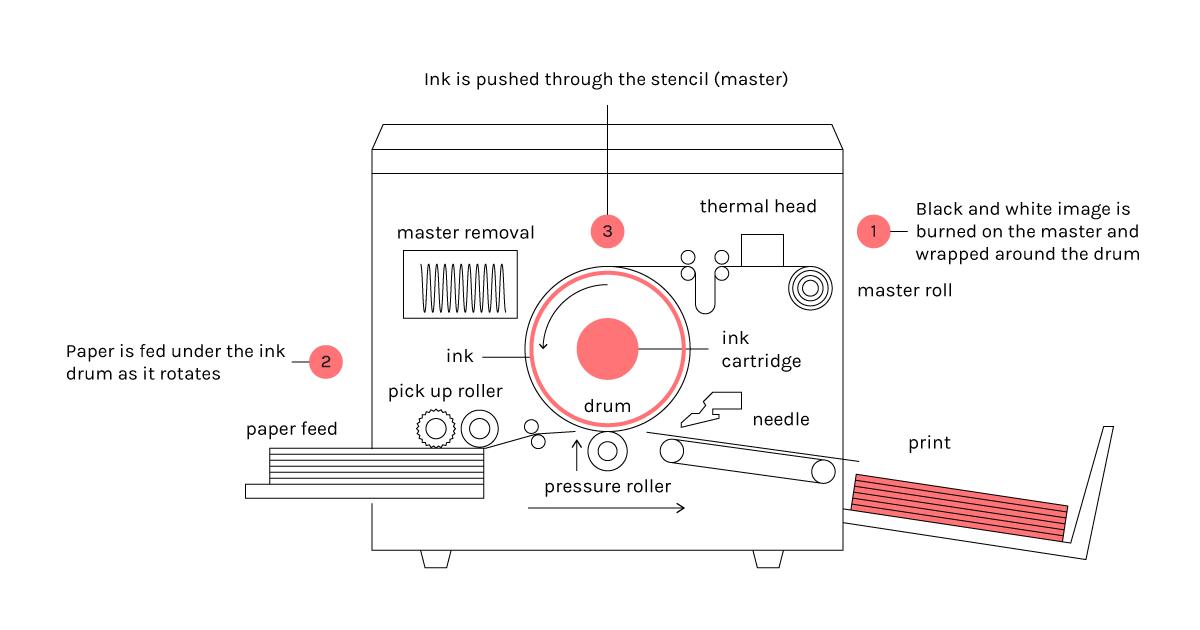
Every riso print starts with a master — a thin sheet of rice paper onto which your design is burned, similar in concept to a screen printing stencil. Each color in your design needs its own master, and the paper passes through the machine once per color.
Inside the machine, a drum wrapped in the master rotates while ink is pushed through from the inside out, transferring it onto the paper beneath. Because the paper is fed through separately for each color layer, slight shifts between passes are common — this is what gives riso prints their characteristic soft misregistration, rather than the flawless alignment you'd get from a digital press.
Artwork can be created by hand (drawing, collage, painting) and scanned in, or prepared as a digital file and separated by color before printing — both approaches are common in riso studios.

The Ink: Soy-Based, Translucent, and Slow to Dry
Riso ink is made from soybean or rice bran oil rather than standard petroleum-based ink, which sets it apart in two key ways:
- It's translucent. Overlapping layers blend into new colors — yellow over blue becomes green, yellow over fluorescent pink becomes orange — producing shades a standard four-color printer simply can't reproduce.
- It dries slowly. Because riso ink stays wet longer, prints need time to fully set, and it's common to see faint fingerprints or roller marks on finished pieces. Rather than a flaw, this is part of what makes each riso print feel handmade.
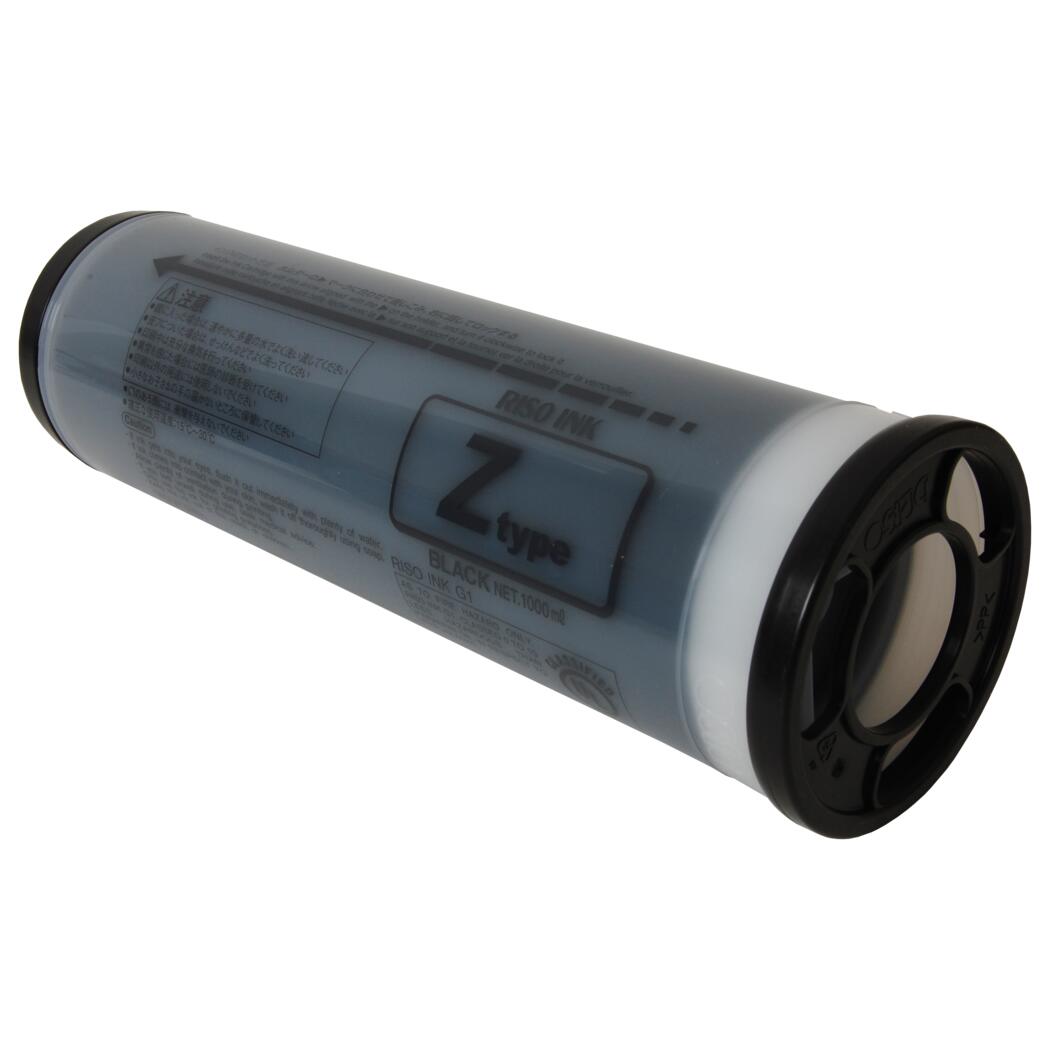
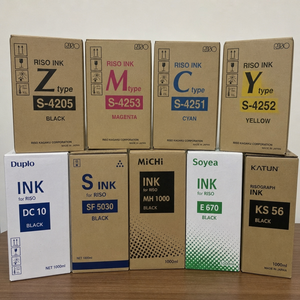
Every ink cartridge is tied to a specific machine model and color, so getting the right one matters. If you want to see exact Riso ink part numbers, certified-compatible options, and B2B pricing, we've broken it all down in a separate guide.

Choosing Paper for Riso Printing
Paper choice has a bigger impact on the final result than most beginners expect. Uncoated paper works best, since it absorbs ink evenly; coated or glossy stock tends to resist the ink, leading to smudging or uneven saturation. Riso printing works across a wide weight range, from thin text-weight sheets to heavier cardstock — the main requirement is simply that the surface be uncoated.

Mixing Riso Colors: How Layering Order Changes the Result
A typical riso studio stocks a palette of distinct ink colors — commonly including blue, green, fluorescent pink, fluorescent orange, cyan, yellow, black, and red — which can be layered in combination to create a much wider range of tones.
One useful reference point: layering blue, yellow, fluorescent pink, and black produces results similar to a traditional CMYK print — these four tend to blend the most predictably. That said, unconventional combinations often produce the most interesting results, which is part of the appeal.
Layering order matters as much as color choice. Lighter, more transparent inks are typically printed first, so darker or less transparent colors don't overpower them; less transparent inks are printed last, once the lighter layers are already in place. Getting this sequence right is one of the more technical skills in riso printing, and it directly affects how clean or muddy the final blend looks.
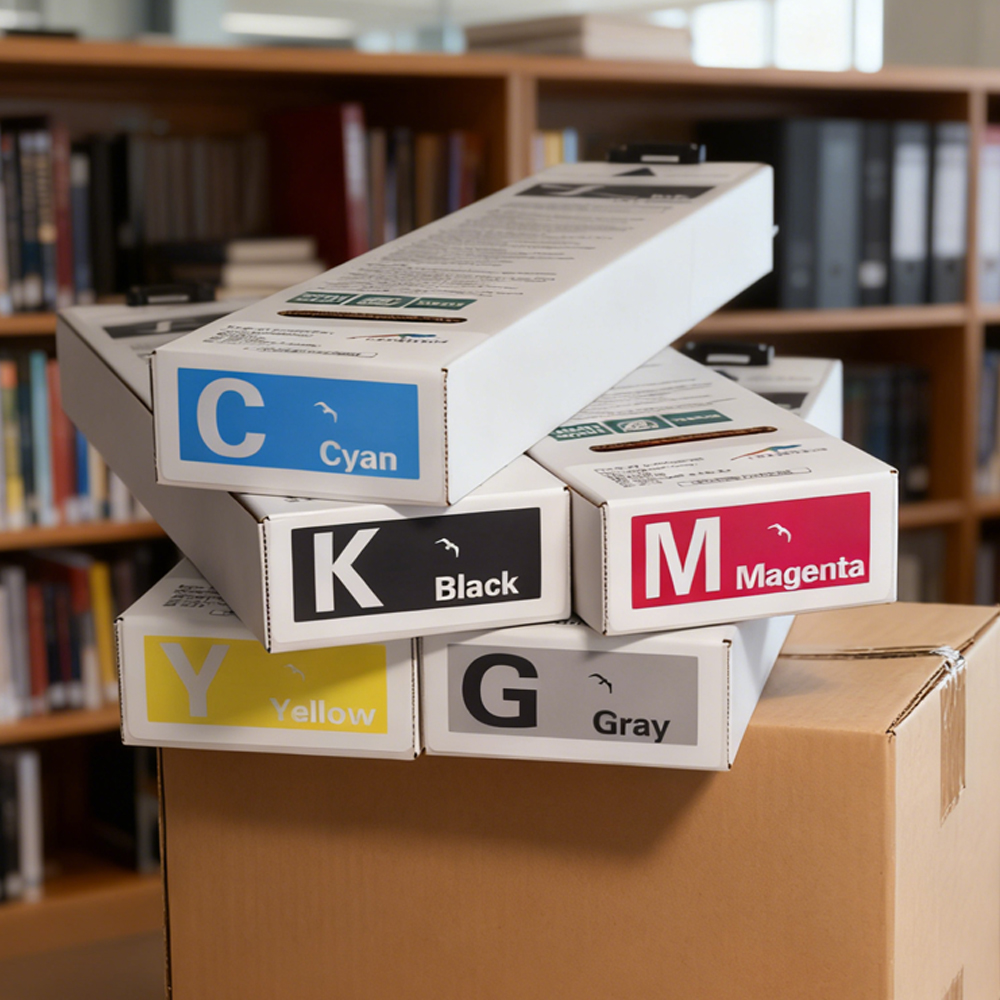
Running low on ink or looking to stock up on consumables for your own machine? See our full range of ComColor consumables.
Riso Printing vs. Screen Printing vs. Offset Printing
| Riso Printing | Screen Printing | Offset Printing | |
|---|---|---|---|
| Best for | Small batches (10–500) | Small-to-medium batches | Large commercial runs |
| Setup | Digital master, fast | Manual screen prep, labor-intensive | Plates, high setup cost |
| Ink | Soy-based, translucent | Plastisol or water-based | Standard CMYK |
| Texture | Slightly textured, soft misregistration | Bold, opaque | Clean, precise |
| Cost at low volume | Low | Moderate–high | High |

What Can You Print With Riso?
Riso printing is widely used for posters, zines, art prints, flyers, book covers, and other short-run publications where texture and color are part of the appeal rather than something to avoid. It's a popular choice among illustrators and independent publishers specifically because the slight imperfections of the process give each print a handmade quality that digital printing can't replicate.
FAQ
What is riso printing used for?
Riso printing is most commonly used for small-batch creative projects — posters, zines, flyers, and art prints — where bold, layered color and a handmade texture are desirable.
Is riso printing eco-friendly?
Riso ink is soy- or rice-bran-based rather than petroleum-based, and the machines use significantly less energy than offset presses, making it a comparatively low-impact printing method for small runs.
How long does riso ink take to dry?
Riso ink dries more slowly than standard ink, and prints typically need several hours to fully set before handling or stacking.
What's the difference between riso printing and screen printing?
Both are stencil-based, but riso printing uses a digital master and a machine-driven process, making it faster and less labor-intensive than manual screen printing, while still producing a similarly textured, hand-crafted look.
Have Questions About Riso Printing or Supplies?
Whether you're sourcing certified-compatible ink or planning your first print run, our team can help you find the right consumables for your machine.
Contact UsChoosing the Best Ricoh Toner Cartridge
Why Do You Keep Buying the Wrong Riso Ink?
Related Article